
Snail Mail’s Introspection Knows No Bounds on ‘Ricochet’
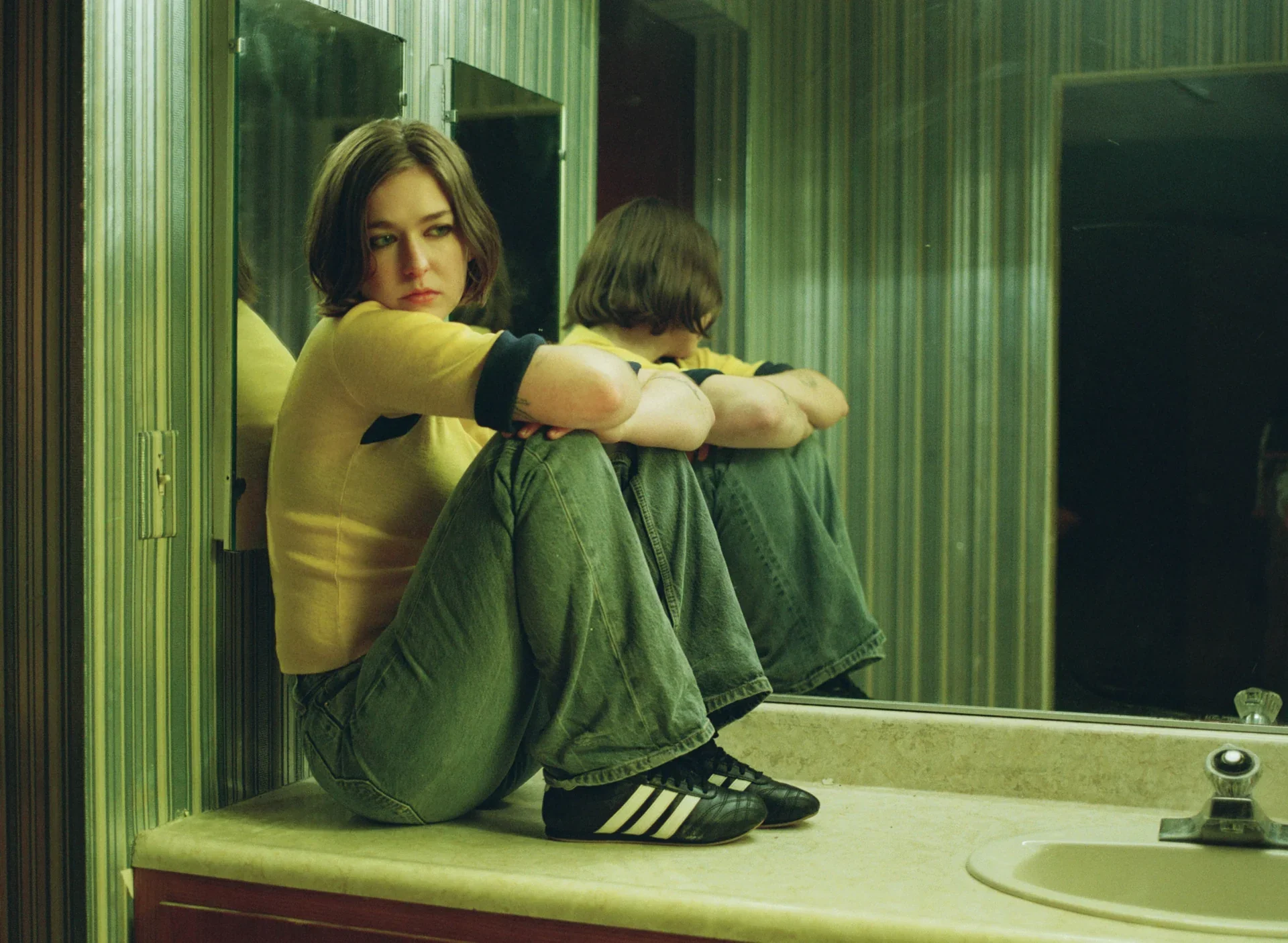
Snail Mail. Photo by Daria Kobayashi Ritch.
Almost a minute into the opening track of Snail Mail’s third studio album, Lindsey Jordan croons in her signature twangy lilt, “I know you’ll miss me when I’m gone.” The lyric offers a tongue-in-cheek variation on the record’s theme of fate, but it also playfully taunts the fans who endured the indie staple’s five-year musical hiatus. Returning to the scene with the kind of ruminative musings that can only come from sincere artistic intention, Snail Mail’s Ricochet smacks listeners in the face with life’s uncertainties but leaves them with a hug and the affirmation that everything will be alright in the end.
Jordan — who began releasing music as Snail Mail in 2016 — has been a constant powerhouse in the indie rock world for a decade now. From the scrappy, DIY garage rock of her debut EP Habit, to the guitar-driven teenage brooding of 2018’s Lush and the explorative soundscape of the lovesick Valentine, Jordan’s discography is sprawling, but her creative identity has always been decisive. Ricochet is no different. The album steers away from lovelorn, angsty etchings and faces the broader human condition with grace, a move Jordan said was intentional: “I’m not bathing in my own agony anymore.”
“Tractor Beam” is the album’s glorious commencement. On a first listen, the opening track is hard to fully digest — its rich production overloads the senses with the sonic euphoria of grandiose strings, a satisfying breakbeat and ear-tingling chords. The second time through, the song’s chorus, “Into the night / Endless as it might seem / The future looks so bright/ Skyward on a tractor beam,” stands out as representative of the album’s thesis. On the third listen, however, it’s the bridge that demonstrates Jordan’s lyrical prowess: “And a sour taste is all I’ll be / In a bitter part of your memory / You can cast my letters to the sea / But you can’t find anyone else like me.” Everything about the line exudes the smugness that Jordan shames herself for in tracks that follow, but the underlying sentiment of legacy gets to the heart of Ricochet’s thematic matter.
During the live debut of “Tractor Beam” on “The Tonight Show” Tuesday, a statue of a two-headed calf sat center stage while a projection of one ran on the screen behind Jordan and her band. While writing Ricochet, Jordan said the poem “The Two-Headed Calf” by Laura Gilpin — in which the titular mammal saw twice as many stars in the night sky — inspired “Nowhere.” The track, with its smooth guitar riffs and 90s alternative rock feel, puts a microscope to Jordan’s avoidant tendencies while acknowledging that if she zoomed out of her own self-condemnation, she’d notice that “the sky’s so clear tonight.”
Watch the music video for “Tractor Beam” on YouTube.
“Hell” is another self-aware track, but where “Nowhere” sits comfortably in the self-loathing nature reminiscent of Jordan’s preceding LPs, “Hell” sees her chipping away at the stubborn facade she previously found shelter in: “Even if nothing else / I wanna be decent / Oh, bouncer in the sky / Let me in I’m scared to die,” she pleads in the first verse over a relaxed guitar motif and unhurried bass line. Even after grungier choruses, critical lyrics and a tension-building key change, the tune ends on a gently strummed major chord.
The thickest thread that weaves throughout Ricochet’s 11 tracks is the exploration of how we grapple with life’s biggest questions — the concepts that make us realize just how small we are on this Earth. The jangly single “My Maker” deals with “the freedom of realizing fate is out of your hands,” while tracks like “Light On Our Feet,” “Reverie” and lead single “Dead End” view the great beyond through a more nostalgic lens. “I could do it all the time with you / Life is worth living now / And from our castle in the clouds / The planet looks so small,” Jordan sings in “Reverie” over a relaxed, frolicsome groove.
Aron Kobayashi Ritch’s production shines on “Butterfly,” a track that is as addictive to listen to as it is profound. The song’s sheer density — with atmospheric synth backgrounds, layered guitar lines that sparkle over each other, a frantic yet light drumbeat and an epic guitar solo — acts as the foundation for Jordan’s lesson that you don’t need to hold onto experiences so tightly in order to “feel alive.”
Though outwardly somber, Ricochet’s title track is undoubtedly the album’s selling point. Its texture is haunting and gothic. Strings swell. “Hallelujahs” are sung. Dissonance gets embraced. But “Ricochet” is only made more intimate by its boldness.
Snail Mail has always constructed timeless indie rock music imbued with universal emotion, but Ricochet exists in the present the way only an album obsessed with the past and future can. It takes our fears, wistfulness and doubt and turns them into a musical mirror, begging listeners to find comfort in their reflection.