Morgan Nagler Shines On Solo Debut, ‘I’ve Got Nothing to Lose, and I’m Losing It’
“Cradle the pain, it’s all the same / It’s what you make of it,” sings Morgan Nagler on “Cradle The Pain,” the opening track of her debut album, I’ve Got Nothing to Lose, and I’m Losing It. Crashing into the scene with nothing but brutal honesty, you can’t help but feel gently reassured at the same time. Nagler’s wealth of wisdom, drawn from her experience in the industry and her personal life, anchors the project’s ethos. With steady hands, she embraces both sides of the coin from beginning to end, but that doesn’t mean she didn’t stumble along the way. With a refreshing outlook on how love and loss can coincide, she isn’t interested in perfection, but the humanity found in taking the risk.
Nagler has the discography of a rising artist, but that doesn’t mean she’s new to the game. The singer-songwriter has around two decades of songwriting experience, having fronted Whispertown and Super Moon, and maintains an impressive collaborative roster with acclaimed artists such as Phoebe Bridgers, HAIM, and Margo Price. It was only a matter of time before the world was lucky enough to receive Nagler originals, and at 47, she’s decided that the time is now. Hints of indie-rock and folk influences permeate the project, but don’t ever limit the singer to one lane.
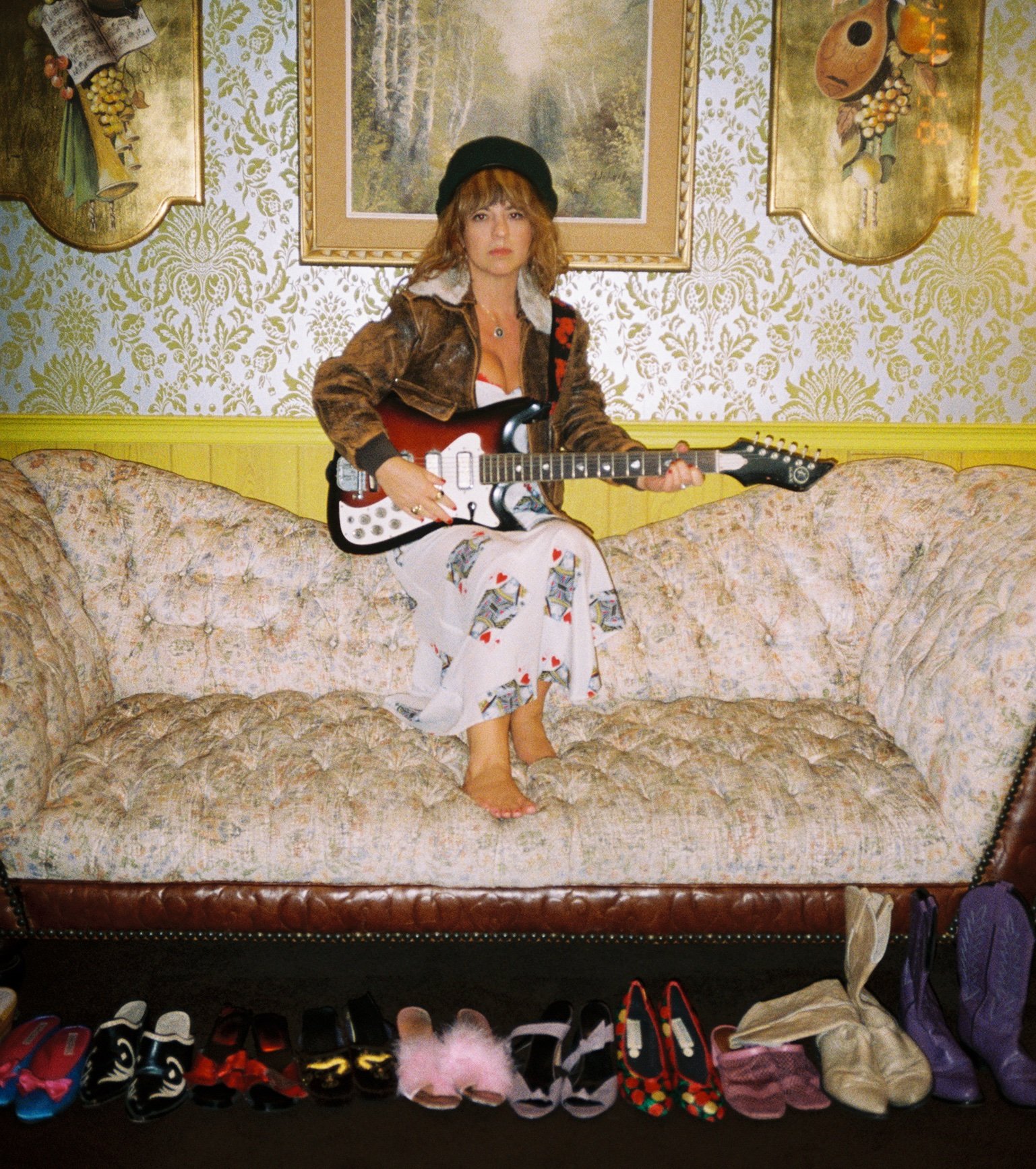
Photo via Pitch Perfect PR.
Nobody’s more candid about Los Angeles than Nagler in “Orange Wine,” where “The cost of living is a horror / The loss of dying is relentless as the summer sun / Nothing's for free, it's 93 degrees.” Her vocals feel as candid as her words about the city, soaring and scratchy over crisp, jangly guitars. Still, Nagler seeks the gold beneath the rubble: “And that the joy is still there underneath the filters.” “It’s a love and hate relationship,” she writes in an Instagram post about the track. “I’m not interested unless it’s heartbreaking –– but heartbreakingly beautiful is the ultimate ying yang.” “Hammer and Nail” parallels an acoustic core as she croons about fatal fantasies: “I don’t wanna get lost in the clouds / But I’m always running when I hit the ground.” She doesn’t exclude either the dreamers or the realists, but holds them both close, as if one can’t be without the other.
“Grassoline” dips into a bit of country twang with Nagler’s tongue-in-cheek wit and backing vocals from singer-songwriter and collaborator, Madi Diaz. Filling the space with bright and bouncy riffs, the singer isn’t trying to sidestep the next season of unknowns. In fact, she admits she doesn't have all the answers and happily embraces another year of life, even if it means needing a little help. It’s an earworm that feels carefree and in no rush to be anywhere, since Nagler’s pretty clear about the means to her ends: “Good old fashioned grassoline always gets me where I wanna go.”
Wispy vocals sashay around twinkling tambourines in “Ball and Chain,” where Nagler cheerfully chants about the unchanging nature of who she is. Her artistry proves that she strives to be nothing but truthful about who she is as an artist in the present, a belief that echoes throughout her refrain: “‘Cause staying the same is my crystal ball and chain.” Planting her feet into the ground, Nagler refuses to listen to anyone but herself this far into her career, even if it means sounding like a broken record.
Nothing separates the singer from her listeners in “Another Mona Lisa” other than an electric guitar slung across her body. The crux of the project and the album’s title finds itself embedded in the song, as Nagler grapples with the cyclical nature of joy and suffering. She doesn’t have to scream to get her point across, instead filling the air with powerfully soft wails and an overarching attitude of acceptance: “I’ve got nothing to prove, and I’m proving it.”
“Heartbreak City” serves as the curtain call for the album, ending on a lamenting note. While she solemnly hums about the trail left by heartache, she stretches out her hands to those who feel the weight of the world’s current state. “Although the entire song is mostly metaphor, the meaning is painfully obvious,” she writes about the track. “In the present moment I can’t help but assign new meaning to this song as I stand with Minneapolis and every single heartbroken city right now in America as we witness and collectively experience the grief and total outrage of the shockingly inhumane cold blooded fascist racist murderous oppression. And for every other heartbroken city experiencing war, starvation and endless horror on this planet and otherwise, my great hope is for the pendulum to swing in the exact opposite direction. And I know in my heart it is possible.”
Only Nagler can shine a light on her cuts and bruises and offer a message of hope. Her debut project is nothing short of brilliant and packed with wise epiphanies, and if she’s losing it, we’ll gladly follow suit.