Euphoric, Magical, Therapeutic— Ken Park on Their Debut EP
New York City based project, Ken Park is rooted in discovery, planting a stake into the vast NYC music scene with their self-titled debut release. On the forthcoming EP, Ken Park, each song is different from the next with its own strong sense of identity, and yet, they piece together into a cohesive sound. As a listener, one can hear an intriguing diction present in the vocals, each song sung with a specific singer-songwriter, stanza-like phrasing.
Genre-wise, some tracks have the characteristics of guitar-heavy shoe-gaze, such as “Maybe Delete,” and the currently unreleased “Dragonfly.” Others lean slightly folk-rock adjacent, with hypnotic acoustic rhythms featured in the songs “Sleep Paralysis,” and “Crawl,” also unreleased. “Sleep Paralysis” is the hermetic ending of the EP, which songwriter Creamer has dubbed as “the one.” The song helped ground the earlier conceptual notions of the EP. The full six-track, self-titled EP will be released via TODO Records on February 26th.
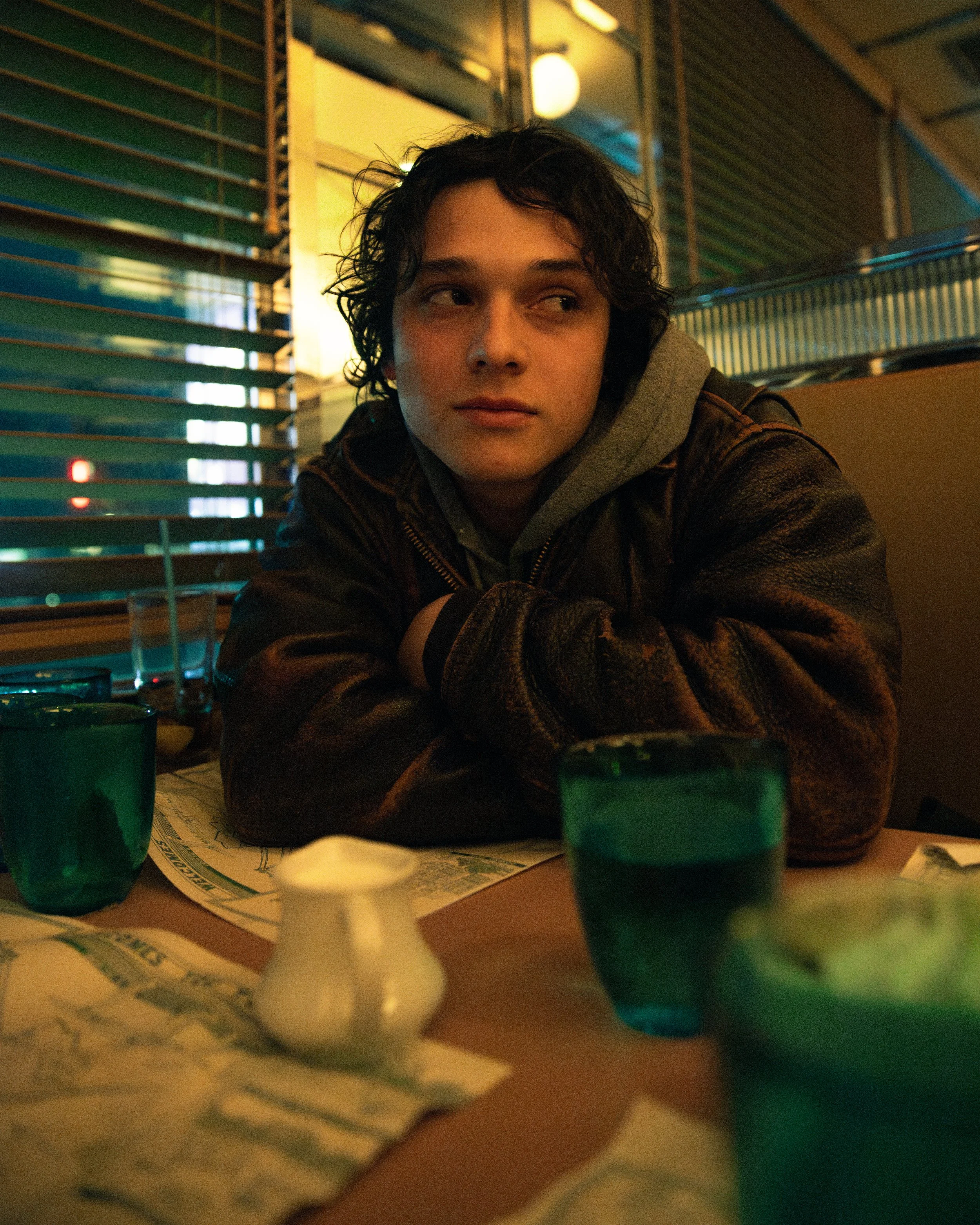
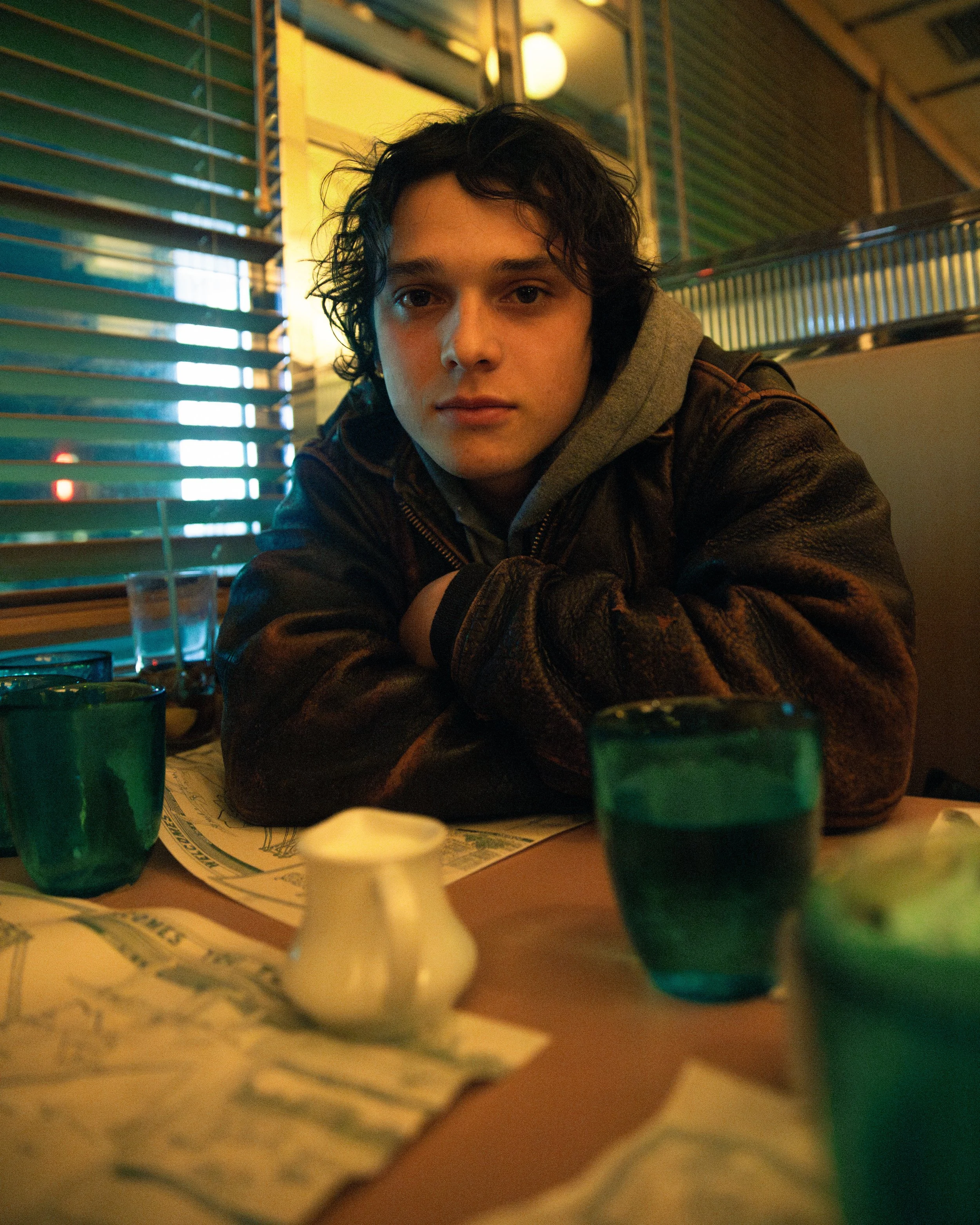
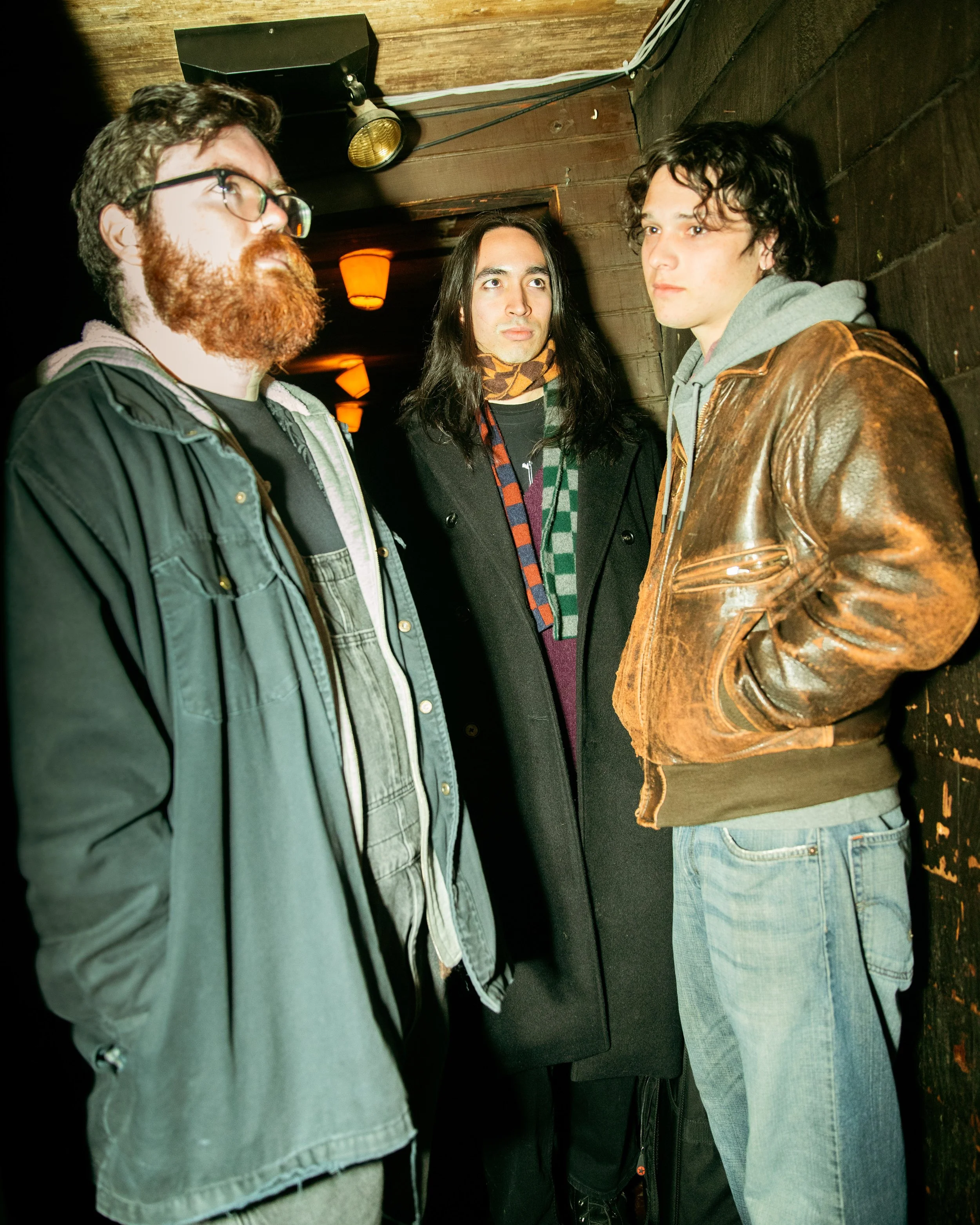
We sat down with Liam Creamer (vocals, guitars, songwriter), Joaquín Eaton Sharon (bass), and Jack Powel (drums), to ask about the band origins and creation process of the EP. After compressing five people into a small booth, we ordered two coffees, two Diet Cokes with lemon, one cocktail, and a plate of mozzarella sticks and began the interview.
Could you begin by giving a little bit of a backstory into who you all are as musicians and how this group formed?
Liam: I always played instruments in my life, grew up with it in the house all the time. Well, I did a lot of drumming when I was a kid, that was my main instrument. I did a lot of composition as well. I wanted to go in the film scoring route, but then I said “fuck it” and wanted to produce for artists. I felt like that was the next step closer to doing music without the ego being involved. And then I took it a step further and said, “fuck it. I want to write songs.” So I went to school for it and met that guy [Joaquín]. So we've been playing for, what, six years now together? I was definitely a music first, lyric second kind of guy. But I had a lot of friends that were incredible songwriters, and I think that flipped a switch in my brain. It's taken a while, but now it's to the point where lyrics are number one. I think that that has given me a lot of growth as an artist, musician, songwriter, whatever. And here we are.
Jack: I grew up an hour outside of Philly in this, I don't know, is it a small-ish town?
Liam: It's close enough to Philly though, where you're not a small town person.
Jack: And I come from a pseudo music family. My mom does not – she says this, so I think I'm allowed to say it – she does not have a musical bone in her body. My dad did saxophone in high school and that was kind of it. I've been drumming since I was eight, and that was only because my sister and I signed up for the same School of Rock camp. She did guitar, and I wanted to do guitar, and I didn't want to do what my sister did, so I did drums. Then it just kind of stuck. I feel like that's why also, as I grew more and went to do college, it was like, I don't want to do a songwriting thing. I just found myself better in a support role. So I went to school for music technology. I spent a year in Nashville, absolutely hated it. Truly one of the worst years of my life, and very quickly transferred here. And that's where I met one of our three mutual friends, Gabi Gamberg, who now plays as Daffo. I drummed for them when they first moved here, and that's how I met Liam. Liam and Joaquín both played for Gabi in high school. [Liam] asked for my Instagram and then like four months later you hit me up being like, “Hey, I need a drummer.”
Liam: Actually like a year.
Jack: Holy shit. Was it that long? I was so nervous because it was the first time I'd really joined a band that wasn't just people I knew from class and shit like that. He showed me his first four demos, “Shatter” and “Nosebleed” were two of them. And they're the ones that are out now, and it's like, “okay, I got it now. This is dope. I would absolutely love to play this.”
Joaquín: I've played bass since I was like 10. I moved around a bunch as a kid, but by the time that my family settled in Southern California in San Diego, that's when I started playing bass. I was kind of doing the rock and loud guitar music thing for a while. And then right before high school I got really into jazz. I ended up going to school where I met Liam, playing jazz there, playing mostly upright bass. And that was kind of the thing I was doing for quite a long time. Through all of high school, the only gigs that I was playing that weren't on upright were Liam or our mutual friends playing songwriter stuff, which I always loved doing. Then I moved out here to go to school for jazz and was just kind of doing that for four years. Liam moved out to the city and came to a gig I was playing at a tiny little bar and we hung out. Then a couple months later, Liam was like, “Hey, come over. Let's play this music.” And yeah, that's what, almost two years? Almost two years that we've been playing together. For about a year, playing with Liam was the only time I was playing electric bass. And then, I don't know, I love doing it. I love playing loud music. I really love jazz too, and I still play it all the time. But there's something about this type of music that I've always loved.
“Sleep Paralysis,” you said that you wrote this one when you were 17, is that correct?
Liam: Yeah, around that time. It's ambiguous, but yeah.
How did it work its way into this EP? Did you rediscover the song or revisit it and change things?
Liam: It was always the one for me. Early on in this project, it didn't really fit. It was just too folk-y because I was going for the heavier shoe-gaze thing back then. But now I have sunken more into my identity and realize that I can do both. Or actually I kind of prefer the folkier side to it now. But “Sleep Paralysis,” I think for a while I was like, “okay, how do I go back to writing something like that?” How it felt to write that was just so spur-of-the-moment, magical, whatever adjectives or words I want to use about it. It was perfect, to me. It's by no means a perfect song, but the way that I felt when I was writing it, euphoric, therapeutic, whatever. And I just like how it sounds. Also, I was absolutely not meaning to make a record because I was visiting my family in Mexico. I was borrowing a guitar, I had my phone. So I took voice memos with a click in my ear and then dragged out all the audio files onto my computer, and that's how I made the song. I tried to go to a studio to re-record it and it didn't work.
You hated it?
Liam: Yes.
Did you do a full song or did you just do portions of it?
Liam: I started tracking the guitar and it sounded like shit. It's my favorite song and is the one that I haven't been able to shake in the best way possible.
I felt like when I was listening to the songs, each one had its own identity independent from the others. Even the switch between “Sleep Paralysis” and “Nosebleed” is very distinct in an engaging way to listen to. Did the songs get written specifically for this EP, or is it an accumulation of several songs that you put together?
Liam: Hundred percent accumulation. All of these songs were written in such different periods of my life and I was listening to different things, I was doing different things, feeling different things. I was different people writing these songs. And that's why it sounds like that. I feel like the thing about people's records sounding very fluid, a lot of the time happens because they were written for each other and also they went into the studio in weeks or months, the same studio with the same equipment. That was not the case for me. It was just completely different ways of recording and just learning, and realizing what I want to do and how I want to do it. I think I'm trying to move past the criticism a bit because I'm definitely like, “oh, I could have done that better or use another section.” But I feel like with the stuff that I'm writing now, I don't have that. I’m like, “oh, that was cool. I can still make something better, but good job.” The very beginning of “Sleep Paralysis,” you guys were talking about it earlier, the little click in the beginning, that was my signal to line up with the grid on the timing.
Lyrically, you have from “Nosebleed,” “nosebleed, it cleanses me, of the rot in my blood.” And in “Shatter,” “shatter the image of you, the glass in my eyes.” I was really intrigued by the phrasing. It's very poetic and very much sung in stanza phrasing. When writing your lyrics, do they often start in a poem form or are they fragmented words or phrases that you piece together?
Liam: Both 100%. “Nosebleed,” the first verse started off as a poem and two years later I wrote the other half of it. There were no melodies or chords behind it. But yeah, just that poem sitting in there. “Nosebleed” was literally just me sitting on the couch recording and writing line by line, “this sounds cool. Okay, next one, this sounds cool. It makes me feel something. Where does that go? Where can the story go?” Whatever. And every song is different, the way that I wrote it, and it's awesome. I love it.
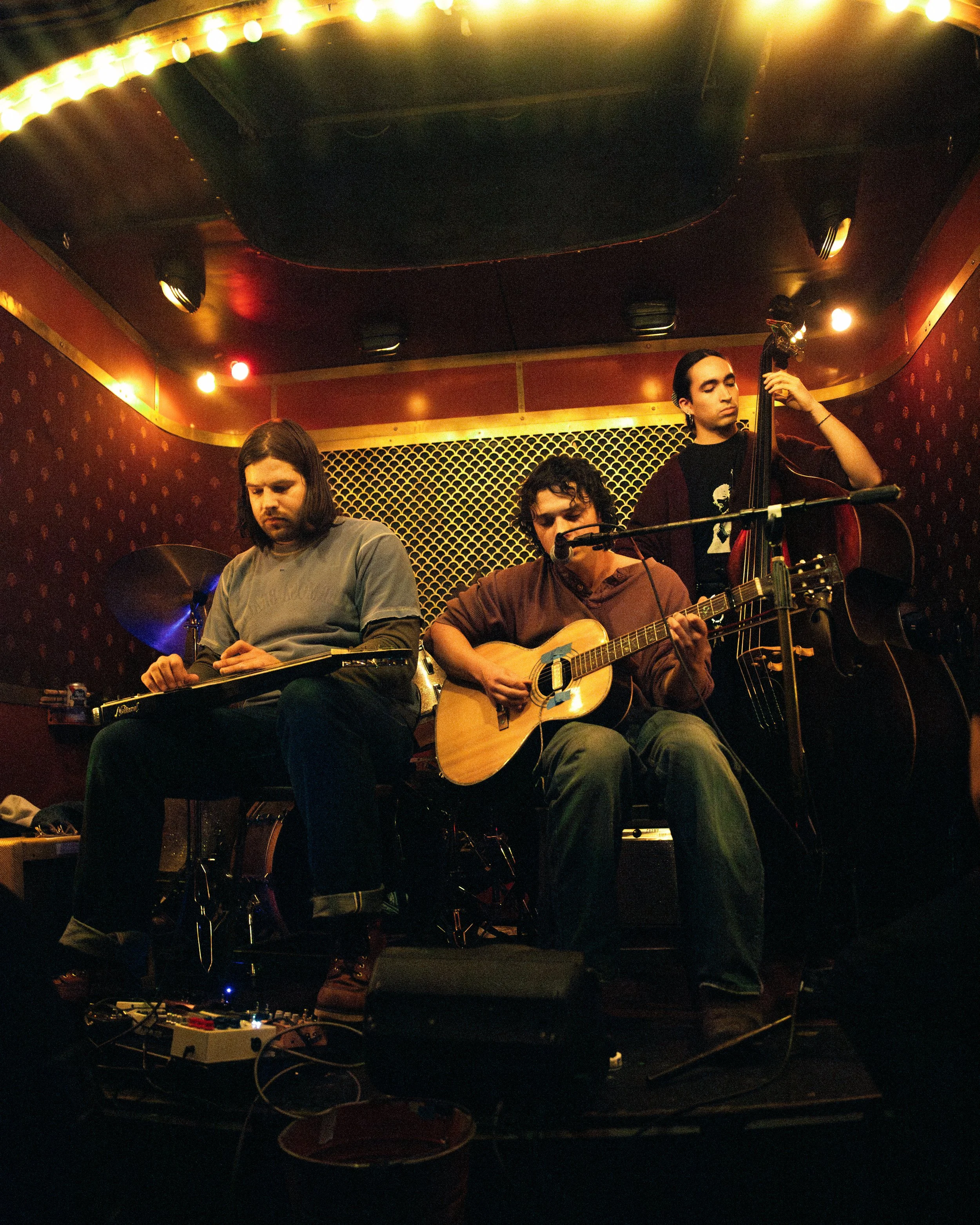
How has the songwriting process changed over time?
Liam: Usually it has been me writing it and fully producing it and then showing it to them. But now I write it on the guitar and then show it to them and will kind of sing or beatbox what I want to them. The songwriting has taken a drastic change in the last few months. I got composition notebooks, and there was a method that my friend showed me of just writing everything down that you hear. And the method is, I call it bumper sticker writing. I'm writing phrases that could be bumper stickers or just things that sound cool, smart, or of course make me feel something, and I feel like it could be turned into a song. And usually what happens is I've written 10 pages full and I can Frankenstein things to make sense, and then that inspires new lines. But definitely going line by line and making sure that each one just does its job.
How did the songs on the EP change when working with the band? Did you alter the composition at all?
Liam: I totally pushed for it to sound like the production and when I realized I wasn't having fun in the shows, I let go of that. And I think there was one rehearsal for a show when I came in and I was like, “I want you guys to do whatever you want now.” And since then, that's kind of been the vibe. But also, a lot of the songs that you'll hear tonight haven't been put down on anything. They're just voice memos. So the finished product is completely TBD.
Tori: I have a question. Do you think you'll record every song that you are playing tonight?
Liam: Yeah, I will.
Jack: The songs that you first showed us, “Shatter,” “Nosebleed,” those ones have been concrete since I first heard them. I feel like the more we get to these newer ones, the more it’s like, “okay, let's try this out.” Even today with the upright [bass] stuff trying out [using a] bow versus no bow. For a second we were trying percussion on certain stuff. It's more experimental and that's not to knock the original ones at all. I think they're what they are and that's what they needed to be. But I feel like we’re changing and as these songs kind of become more collaborative, it's like opening the floor to all these different versions, even as we do them live.
Joaquín: I think also it's true a lot of the songs that we've been playing for two years have stayed pretty similar. But what you were saying earlier about how each song has its own kind of distinct identity, I think that's kind of increased as we become more comfortable playing the music and also just more comfortable hearing what Liam wants and hearing what Liam is hearing. Because I feel like—
Liam: It's what I want.
Joaquín: I feel like some of the early shows that we were playing, the songs that we played then are still some of the songs we're playing now. I don't know if there was that huge of a difference between the sound of them. I think we've become more comfortable, like you were saying, letting folkier sides come out and letting those songs evolve sonically, when maybe structurally the song itself stays the same. Which has also helped us bring in some of these newer songs that might otherwise have been very different.
What's the origin of the name?
Liam: I watched a movie called “Ken Park” when I was probably 11 or 12.
Jack: So young for that dude.
Liam: It was so fucked up that I didn't get halfway past it. And the name just rang in my head. I was with a bunch of friends and I was thinking about what to name the project. I was like, “you guys seen ‘Ken Park?’” And they were like, “yeah, that sounds really cool. You should name it that.” So I went through with it and everything. But I would like to say that I like the ring of it, but also the fact that it can be a person or a place.
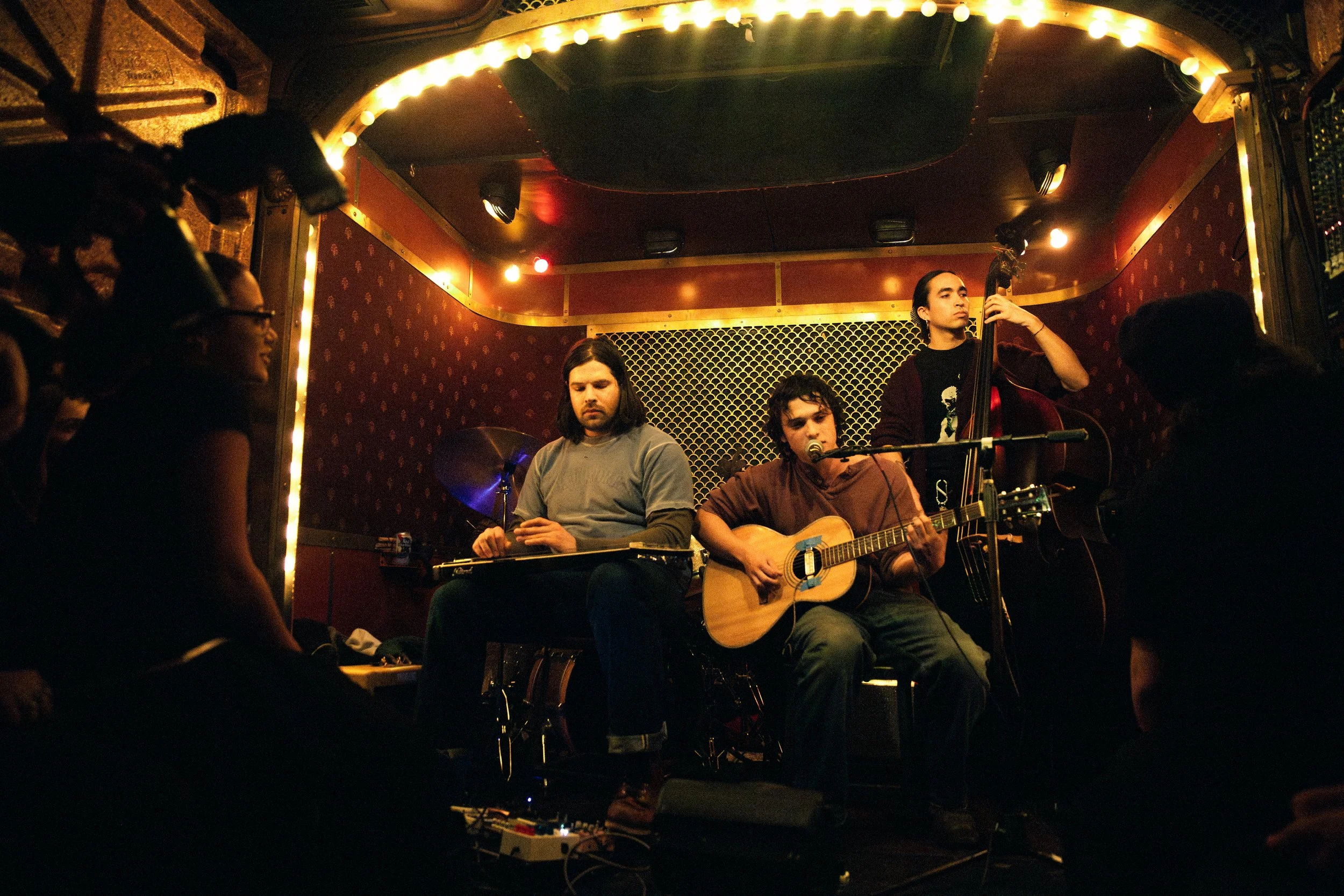
What are some differences in how your hometown and New York have inspired your music?
Jack: I'm so huge into soul music and Philly soul. Lou Rawls is the biggest name that comes to my mind. It's so weird because it's not the type of drumming I'm going to do tonight, and it's not the type of drumming I do in this band very often, but the sort of backbeat, I'm always putting ghost notes and shit that doesn't need to be there. The first band I liked as a kid was Jimi Hendrix. I'm big into this loud ass, big fills, playing just so fast. And having to take those three main ideas, truncate it, and then fit it into this shoe-gaze, especially a track like “Shatter.”
Joaquín: I'm from Southern California, I really don't like it. No offense to people who do, but my dad's also from Southern California and in high school was in a punk band and in that scene. A lot of my early musical interests were Southern California punk. And I love really loud music and I think that's a big influence. Being in California, being really into that and being like, “God, it's so dry and desolate,” and I'm just in middle school pretending I know what it's like to be sad. But then I started playing jazz, and I came here and I mean, you could probably say this for a lot of types of music, but there's really nowhere like New York. For jazz especially, all of the history is right here. And it's really one of the few places in the world where all the history is still happening and where really important music is still being made. I know for a fact that no matter what music I play in my life or where anything ends up going, playing jazz and being on the scene here and knowing these musicians is the greatest influence on me ever. Both from the music itself, but also just my approach to it and how I want to play it.
Liam: I have a pretty similar experience as Joaquín. A lot of the influence came from my dad, to learn it and to do it. But on the other hand, there was a big dissatisfaction with the lack of scene in San Diego or music coming out. I think the only…there's very few [bands] that I can think of, and the biggest in my head is Pinback, which is such a great band. But in high school, all of the backyard shows, house shows were bad surf rock, it was just boring. Nobody stimulated me, not until I went to art school and met people that were making really cool stuff and showed me amazing music. Just this other world that I didn't know existed. I just was so bored out there, I felt completely stuck. Here, it's like maybe a little bit too much, I don't know. Obviously that's usually the case, especially from someone that has been in such laid back areas his entire life. It took getting used to. But now, I think cause I have such great friends and some kind of income, I can treat it more like a playground and have my fun and fuck around, which is the most important thing to me that I can be a child in my adulthood.
What are some other mediums of art that inspire you?
Liam: Film. 100% film. I did a lot of film scoring. I think when I first started writing music, I felt like I was trying to describe a scene and that's how I wanted to think about it. So I always tell myself, if I wasn't in music, I'd be in film.
Jack: I'm a big fan of just straight up painting. I'm dog shit at visual art, actual drawing and sketching and shit like that. I’m not as good as I want to be at it. But even with artists like Picasso and Joan Mitchell who really benefit from Cubism in these really abstract ways of conveying emotion, I think percussion and music is the same way. It's not something that's readily apparent, especially behind the drums. I'm also a drum teacher for work, and there is a way to portray emotion through a percussive element. And it's just by carrying what is given to you and transforming it. I think all these abstract painters see the same way, like I have this emotion inside of me. And to me, the way I can produce that is just the way I use a brush and textually stand out from a canvas, even though it might just look like shit on a thing, just like a bunch of slaps and whatever else on a canvas.
Joaquín: I love literature and poetry. I love to read. I grew up reading a lot and feeling like that was the one thing that I really loved to do even before I played music. I think besides the fact that writers who are just so gifted at saying something really beautiful and really wise and profound, it's also beyond the writing itself. I really love to learn, and reading not only a lot of fiction and literary fiction, but a lot of history and social theory and stuff. I think whether it informs my playing directly or if it just affects me somehow and then that gets into the music, I think that's still the same.
What's coming next? Anything you want to shout out?
Liam: My EP on February 26. I don’t know, maybe a record. I've got some songs under the belt that I saved. Obviously we're playing them tonight. Shout out to all my homies. I love them. Jack. Joaquín. Oh my god. Leila Simpson. Amazing artist. She did all the visual art. So good. Mike Fridmann mixed the EP. Greg Obis mastered it. Shout out to Jon, my manager. TODO Records. I feel like I'm getting an award right now.
Joaquín: Want to thank your family?
Liam: Shout out to my mom. She's so supportive. Shout out to my Nicole, my sister. She's a queen. She's a princess, for real. Shout out to my dad. Love that guy. Let's see. Oh my stepfather Steve.
Alright, I'm cutting it off. Listen to the new EP.
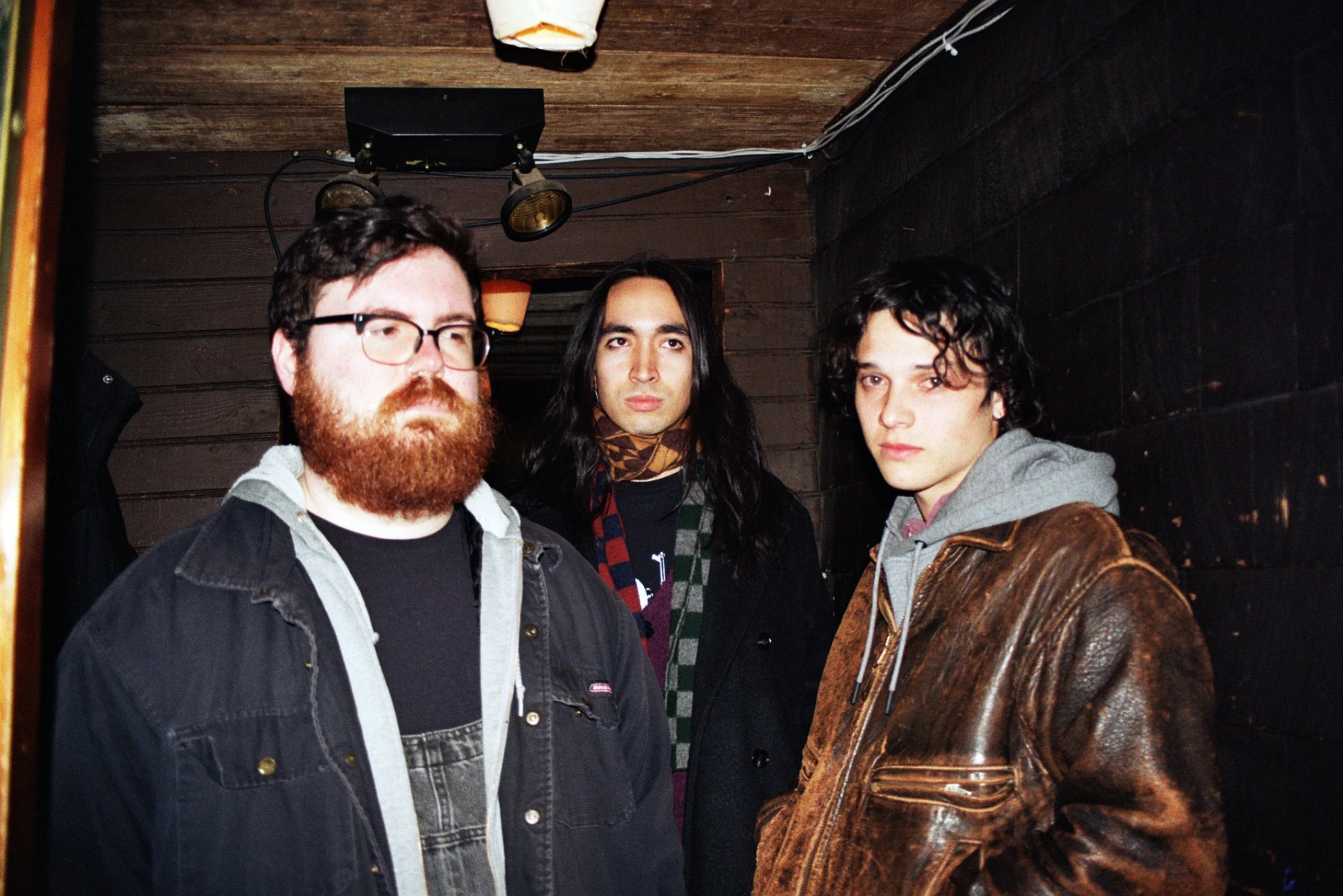
Find Ken Park on Spotify and Instagram.
The Ken Park EP will be released via TODO Records on February 26th.
All photos by Tori McGraw (@afterr.hourrs)