
Pollen and Pride: Navigating the Seasonal Shifts of the Soul
In an era of hyper-curated aesthetics and overproduced indie-pop, there is a distinct, grounding thrill in discovering an album that sounds like it was born in a garage but raised in a cathedral. Wim Tapley’s self-titled effort with his band, The Cannons, is exactly that: a masterclass in sophisticated scruffiness. Wim Tapley and The Cannons is a 12-track journey that navigates the messy intersection of youth, nostalgia, and the quiet anxieties of modern life, all while maintaining a groove that feels both timeless and urgently new.
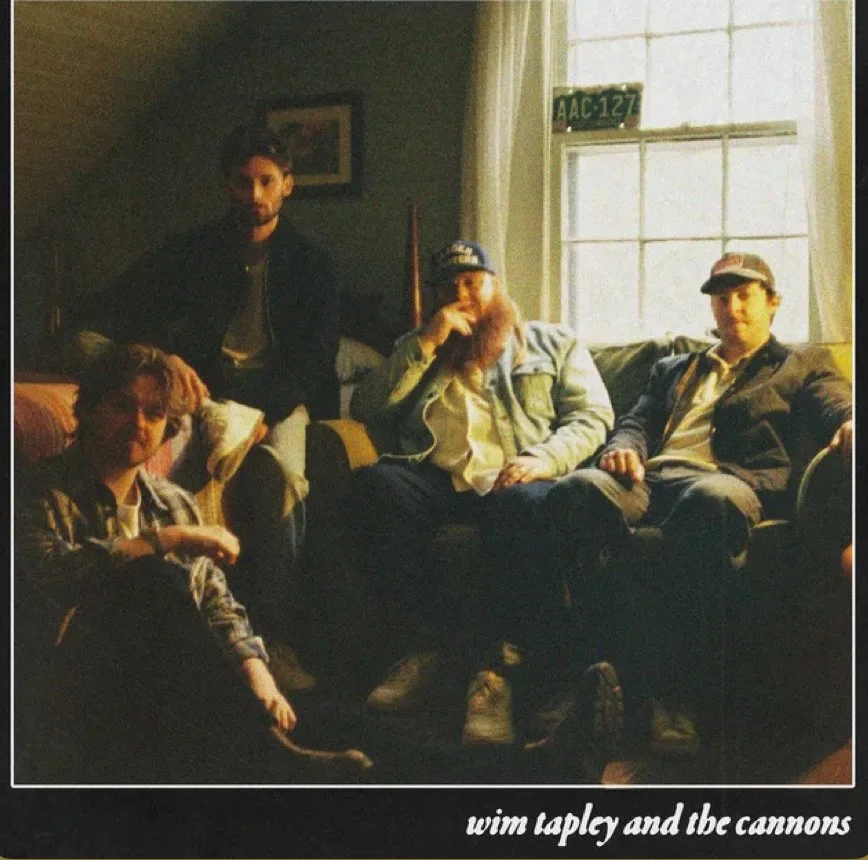
From the opening notes of "Worry," it is clear that Tapley isn't interested in shielding the listener from his internal monologue. The track sets a sonic precedent for the album—layering jangly, West Coast guitars over a rhythm section that feels remarkably tight yet deceptively casual. The Cannons provide a robust backbone here; they aren’t just a backing band, but a living, breathing extension of Tapley’s songwriting.
The transition into "Call it like you see it" and "Pollen" showcases the band's ability to pivot between moods. While "Call it like you see it" offers a defiant, rhythmic punch, "Pollen" slows the pace, capturing that specific, hazy lethargy of a changing season. It’s a track that feels like sunlight filtering through a dusty window—bittersweet and momentarily blinding.
The middle stretch of the album is where the narrative weight truly settles. "Baseboard" and "Five" act as anchors, leaning into a more folk-rock sensibility. "Baseboard," in particular, is a standout. It’s a song about the things we overlook—the literal and metaphorical edges of our lives. Tapley’s vocal delivery here is vulnerable, cracking just enough to let the emotion through without losing its melodic footing.
Then comes "Munch Hut," a track whose title suggests a playful levity but delivers a surprising amount of grit. It serves as a bridge into the album’s most cinematic moment: "Parked Car." There is an inherent Americana trope to the "parked car" song, but Tapley avoids the cliches of neon lights and getaway drives. Instead, he focuses on the stillness—the heavy, unsaid conversations that happen when the engine is off. It’s intimate, claustrophobic, and beautifully rendered.
The production throughout the latter half of the record—specifically on "Way It Was" and "Over Ice"—demonstrates a keen ear for texture. The Cannons excel at building "The Wall of Sound" in reverse; they know exactly when to pull back to let a single guitar line or a snare hit resonate. "Over Ice" feels cool and crisp, a sonic palate cleanser that prepares the listener for the emotional home stretch.
"Washington St." functions as the album’s geographical and emotional compass. It’s a song of place, grounded in the specificities of a street name but universal in its feeling of belonging vs. leaving. It’s followed by "Pride," a track that explores the double-edged sword of ego with a soulful, almost bluesy undertone.
The album concludes with "How Do You Know," a sprawling, inquisitive finale that refuses to provide easy answers. By the time the final chord fades, Tapley has taken us through a full cycle of human experience—from the frantic opening energy of "Worry" to a state of contemplative acceptance.
Wim Tapley and The Cannons is a rare debut (or self-titled evolution) that knows exactly what it wants to be. It doesn’t chase trends; instead, it digs its heels into the soil of classic songwriting and waits for the world to catch up.
Tapley’s lyricism is observational and piercing, but it’s the chemistry with The Cannons that elevates this from a singer-songwriter project to a definitive band statement. They have captured something lightning-like here: the sound of a group of musicians who aren't just playing notes, but are telling a collective story.
Standout Tracks:
Worry
Baseboard
Parked Car
Washington St.
The Bottom Line, An essential listen for anyone who misses when indie rock had a pulse, a porch, and a little bit of dirt under its fingernails. Wim Tapley has arrived, and he brought the thunder with him.
