
In an era dominated by hyper-speed digital feeds, blink-and-you’ll-miss-it trends, and rapid-fire algorithmic singles, Atlanta’s Penelope Road asks a deceptively simple yet radical question on their debut full-length album: What happens if we just slow down?
Released via Warner Records, Maybe In Time marks a definitive, confident arrival for the five-piece outfit. Arriving on the heels of steady social media momentum, viral, organic buzz, and a series of tight-knit, high-energy live performances across the Southeast, the 13-track record deliberately trades the restless hustle of modern indie-pop for something far more expansive, grounded, and deeply textured. It is a body of work steeped in the sun-drenched nostalgia of '70s radio rock, late-night funk grooves, and classic Southern soul, yet polished with an unmistakably contemporary indie clarity.
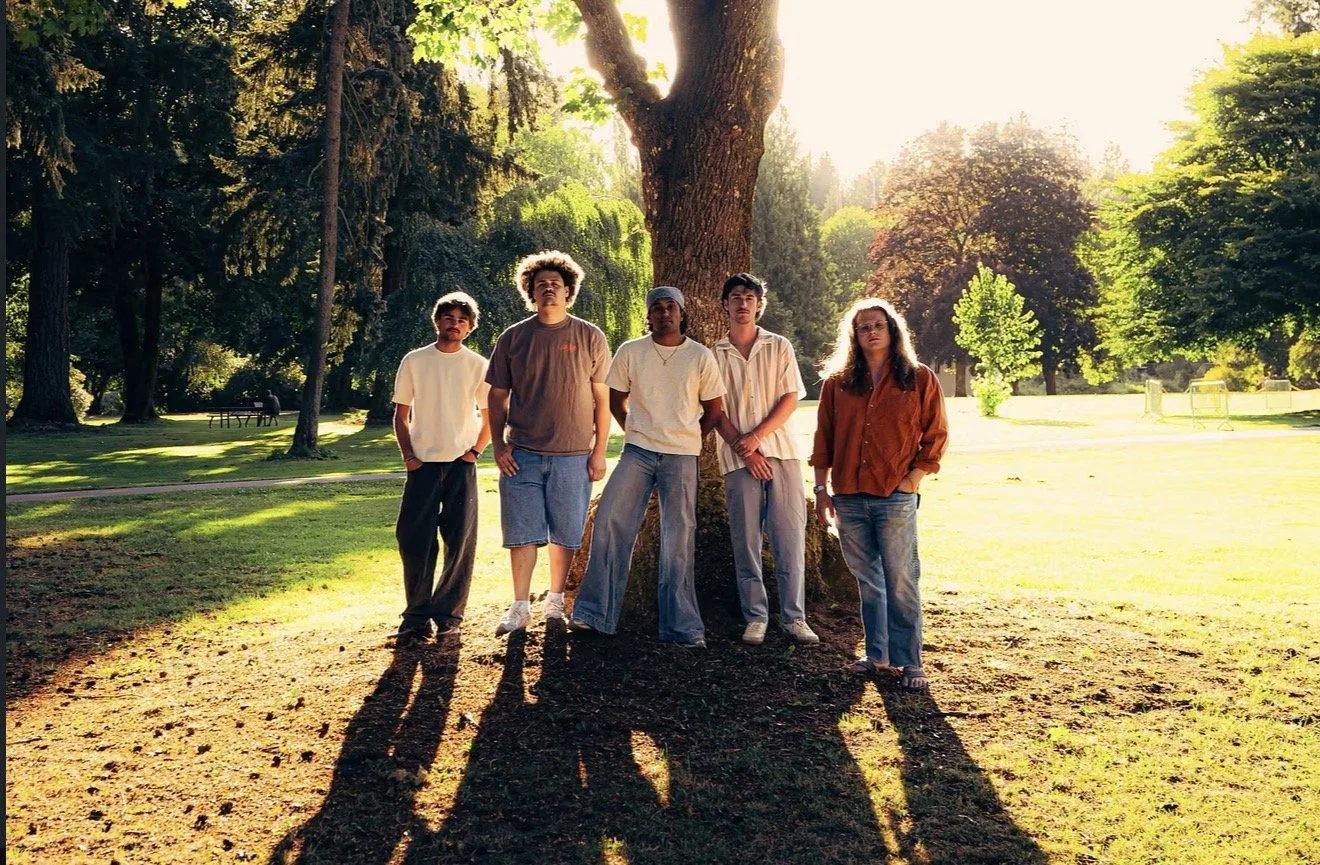
Photo by Andrew Austin.
Listeners who’ve followed the band’s steady rise over the past couple of years will know that Penelope Road first gained traction through infectious live-studio recordings and spirited acoustic covers posted online. Their early internet presence showcased a rare, unforced chemistry that quickly captured the attention of music lovers craving authentic instrumentation. But as Maybe In Time proves from its very opening notes, the Atlanta group was never destined to remain a viral passing fancy or a fleeting social media phenomenon. They are, at their core, genuine songwriters and seasoned players built for the long haul.
Recorded in close collaboration with Grammy-winning co-writer Daniel Tashian—celebrated for his genre-bending work with Kacey Musgraves—and producer Mikey Freedom Hart, whose credentials include working alongside Bleachers and Taylor Swift, the LP captures a band leaning heavily into physical craftsmanship and traditional studio recording techniques. Rather than relying on slick digital trickery or over-producing their sound for maximum short-term streaming impact, Penelope Road and their production team allow the tracklist space to stretch out, breathe, and wander.
The arrangements feel remarkably alive: warm, round basslines drive the rhythm section, shimmering acoustic and electric rhythm guitars interlock with precision, subtle analog synth textures add color in the margins, and multi-part vocal harmonies land with the effortless ease of old friends trading stories on a porch late at night. There is a tactile, analog-tape warmth running through the entire collection, invoking the spirit of golden-hour record listening sessions from decades past while maintaining a crisp, modern finish.
Side A opens with an immediate burst of cinematic momentum led by track one, "California." The opener sets a vivid scene of coastal breezes, golden hour light, and the universal, restless desire to chase something bigger than your hometown. It transitions seamlessly into "Keep Driving," an up-tempo anthem anchored by a driving rhythm section that practically begs for an open highway and rolled-down windows.
However, the album's undeniable centerpiece on the A-side is the lead single, "New Money." Blending a strutting funk bassline with a razor-sharp disco-rock guitar lick, the song serves up a sharp, tongue-in-cheek commentary on instant success, consumer culture, and modern materialism. It is equal parts infectious dance track and slick social critique, proving that the band can pack a conceptual punch without sacrificing a massive, sing-along pop hook. As Side A progresses through "Just Another Night," "I Wanna Know," and the evocative "Monterey," the songwriting navigates the delicate, often painful space between youthful idealism and the quiet realization that growing up inevitably means leaving certain places—and certain people—behind.
If Side A represents the high-energy rush and optimistic momentum of setting out on a journey, Side B serves as the quiet, introspective reflection of the late-night drive home. Tracks like "Shoes," "One For The Road," "Comedown," and "MIA" bring a bluesy, soulful grit to the foreground, showcasing the group's impressive tightness as a live rhythm unit capable of shifting dynamics on a dime.
The emotional thesis and artistic peak of the record arrives with the title track, "Maybe In Time." Written as a drifting, cinematic 3/4 waltz, the song feels like a cool autumn breeze hitting after a long, sweltering summer. Over lush string arrangements and floating guitar arpeggios, the lyrics meditate on patience, timing, and accepting that the most crucial answers in life simply cannot be rushed:
“Tune in, slow down, and stay awhile.”
It is a remarkably brave and rare moment of intentional stillness on a modern debut record. In an industry obsessed with immediate gratification, micro-content, and continuous output, Penelope Road makes a quiet yet compelling case for letting things take as long as they need to grow naturally.
The album closes with "When The Night Comes Around," a slow-burning track that brings the 13-song journey to a warm, lingering conclusion. Leaving the listener wrapped in a blanket of ambient guitars and soft organ swells, the finale ensures the album's mood stays with you long after the final note fades out.
What ultimately makes Maybe In Time such a triumphant debut is its steadfast refusal to adhere to a single, rigid genre box. By seamlessly bridging Fleetwood Mac-style classicism, '70s radio rock, late-night funk, Southern soul, and modern indie-pop sensibilities, the record constructs a rich, immersive world all its own.
With a major headlining hometown show scheduled at Atlanta's iconic Tabernacle theater to cap off the year, Penelope Road isn't merely releasing a batch of catchy singles—they’re establishing a distinct artistic identity and cultivating a dedicated fanbase. Maybe In Time is a album explicitly designed to be experienced on vinyl, listened to in sequence from front to back, and savored slowly. For a young band stepping out onto the national stage for the first time, their ultimate destination may still be unfolding, but if this debut is any indication, the journey promises to be unforgettable.
