
There is a precise moment on Duckpond, the sophomore full-length effort from Miami-bred indie outfit The Hails, where the clever metaphors fall away and the central pulse of the album lays itself bare. It happens mid-track on “Vegas, Idaho,” a mid-tempo highlight that slows down the band’s usual frantic rhythm to reveal Robbie Rusyniak’s velvety vocal range over an expanse of shimmering synth pads. He sings of the strange, disjointed reality of life on the highway—where every state line blurs into the same dive bar, every glowing sign offers the same false promise, and the distance between where you are and where you belong grows quietly insurmountable.
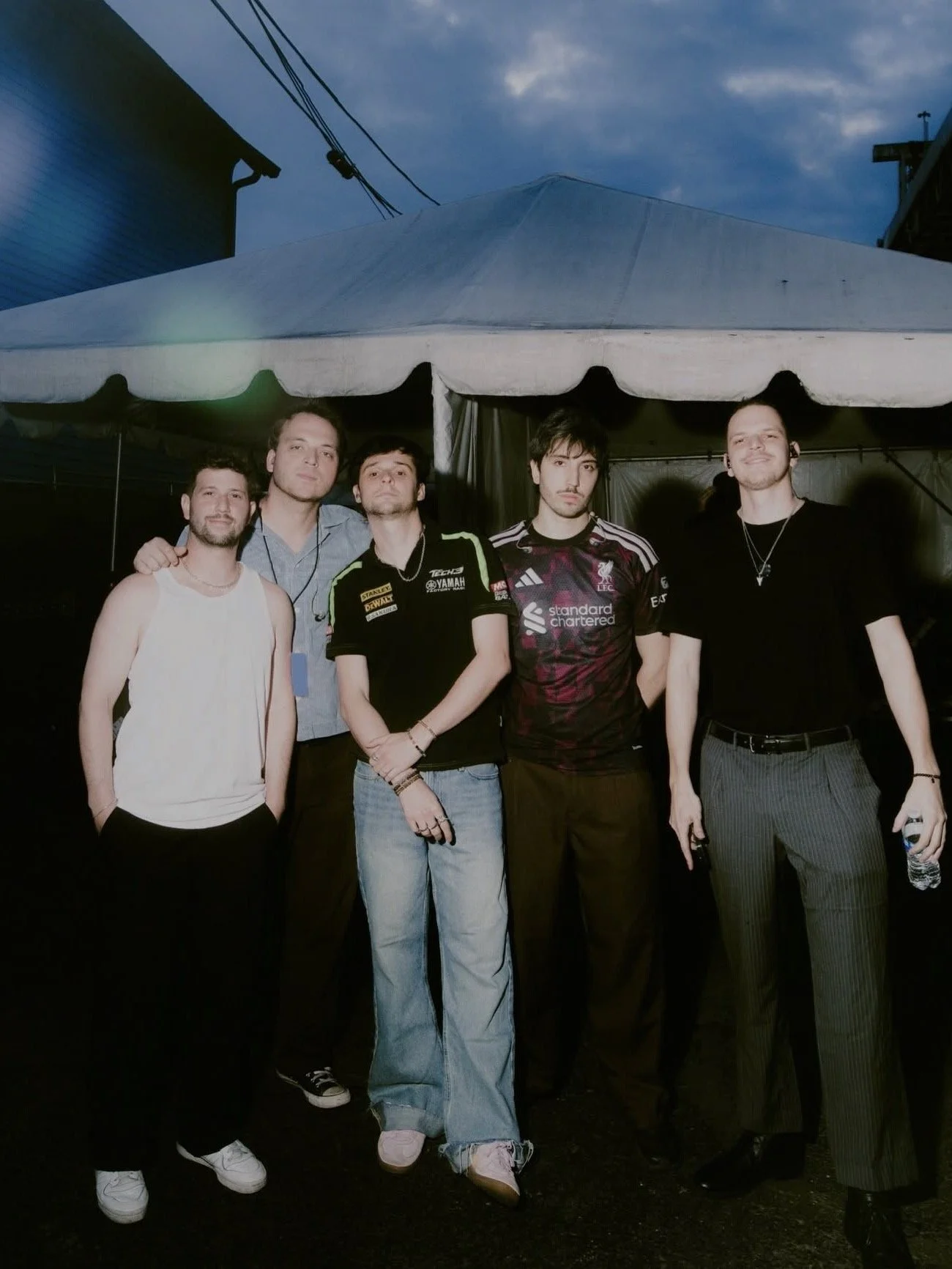
It’s a surprisingly vulnerable moment for a band best known for sleek, danceable indie-pop riffs and razor-sharp hooks. Yet that tension—the friction between sunny, infectious melodies and a creeping sense of modern alienation—is precisely what makes Duckpond such a towering, triumphant record.
Where their debut What’s Your Motive established The Hails as formidable architects of groove-laden indie-rock, Duckpond expands their universe in every direction. Spanning a surprisingly generous 14 tracks—a rare commitment to long-form storytelling in an era dominated by bite-sized, algorithm-friendly singles—the record feels less like a simple collection of tunes and more like a fully realized ecosystem. It’s an album that shakes its fist at the world’s noise while searching desperately for beauty, levity, and human connection in the cracks left behind.
From the opening moments, Duckpond refuses to settle into a single lane. The band—comprising Rusyniak alongside Dylan McCue, Franco Reyes, Andre Rodriguez, and Zach Levy—proudly wears its influences on its sleeve while forging a sound distinctly their own. The twin-guitar interplay between McCue and Reyes nods heavily to Is This It-era The Strokes and early Arctic Monkeys, driving songs forward with a kinetic, hyper-precise urgency.
Take the single “Scampi,” a biting commentary on internet culture and armchair activists who concoct half-baked, performative solutions to complex global disasters. Musically, it’s a masterclass in tension and release. Snappy, stuttering lead guitars carry the verse before breaking into a sharp, quirky call-and-response chorus that directly mirrors the rhythmic wit of David Byrne and Talking Heads. The track manages to mock the absurdities of the digital age without ever feeling preachy, wrapping its cynicism in an arrangement so infectious you’re singing along before you’ve fully processed the critique.
These tonal acrobatics repeat throughout the album’s runtime. On “Corruptor,” one of the record’s undisputed peaks, bouncy, post-punk basslines and snappy percussion drive a story about the messy, paradoxical dynamics of toxic relationships. It is inherently dark content, yet delivered as an absolute dance-floor heater. The Hails have mastered the art of hiding emotional bruises beneath glitter and neon, creating songs that work just as well for late-night existential dread as they do for summer road trips.
What separates Duckpond from the sea of contemporary indie revivalists is the band’s immaculate sense of dynamics and patience. The Hails understand that to make a 14-track album feel essential rather than bloated, you have to let the record breathe.
The album moves smoothly across a varied landscape of grooves, starting with the driving basslines and syncopated guitars of "Pack It Up," which tackles the burnout of stale routines and knowing when to walk away. The Hails then pivot to sharp social critique on "Scampi," utilizing Talking Heads-inspired call-and-response leads to poke fun at internet outrage and performative activism. "Corruptor" raises the temperature, pairing bright synth hooks with post-punk rhythms to explore the irresistible pull of messy, complicated relationships. The energy slows down on "Vegas, Idaho," where atmospheric synth pads and warm vocal leads capture the geographic displacement and quiet isolation of life on the road. Finally, "Story of You and Me" grounds the middle of the record with sweeping indie-pop melodies and acoustic textures, tracing how time and personal identity shift across years of shared history.
Tracks like "Pack It Up" and "Fool" offer high-energy, classic indie-rock thrills, but it's in the mid-album quietude where Duckpond reveals its heart. "Story of You and Me" explores the subtle ways long-term bonds fray over time, anchored by subtle acoustic texturing and vocal harmonies that interlock with effortless chemistry. Meanwhile, "Digital Life" tackles the overwhelming sensory overload of modern existence with tight, mechanical rhythm work that intentionally mimics the rigid tick of a digital clock.
Throughout it all, the production shines with crisp clarity. Drums crack with vintage warmth, the bassline remains thick and central to every groove, and the guitar lines cut through the mix without ever feeling harsh or abrasive.
The title Duckpond evokes a simple, almost mundane image: ducks gliding smoothly across a still surface while paddling furiously out of sight underneath. It’s an ideal metaphor for where The Hails find themselves in 2026. On the surface, their music is effortless, suave, and instantly engaging. Underneath, there is a relentless, restless work ethic and a profound anxiety about what it means to be a human being trying to hold onto genuine connections in a world that feels increasingly detached.
Instead of giving into doom and gloom, however, The Hails respond to the chaos with joy, levity, and an unshakable commitment to craft. Duckpond doesn't pretend to have all the answers to life's messiness, but it offers something far better: a vibrant, 14-track shelter from the storm.
By blending the angular charm of 2000s garage rock with modern synth-pop sensibilities and mature lyricism, The Hails have crafted what is easily their finest work to date. Duckpond is a triumph of indie songwriting—a vibrant, resonant body of work that reminds us that even when the waters around us get murky, there is still immense power in hitting play, singing along, and finding warmth together.
