
Satya Retraces the Steps That Led to Her Debut Album
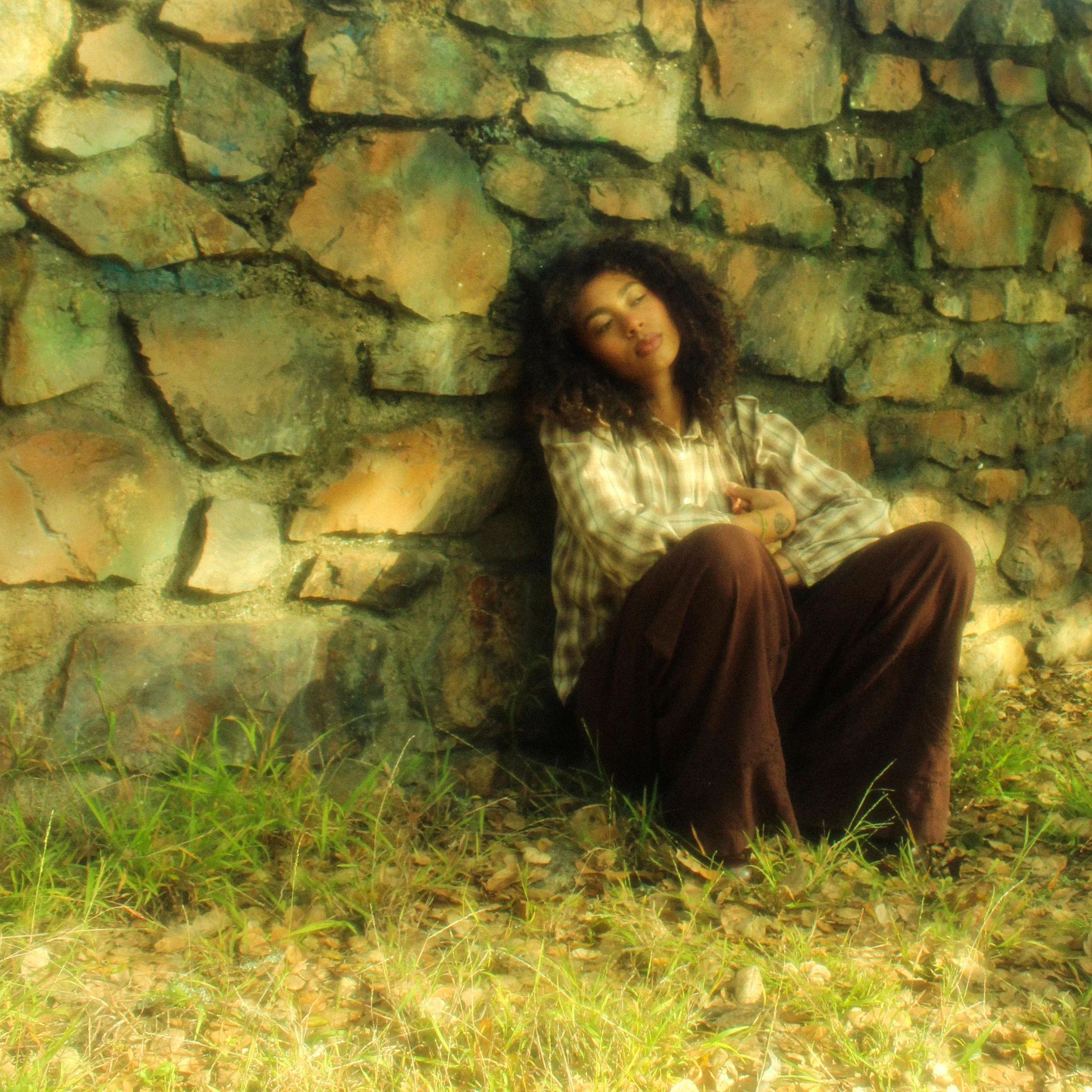
Satya. Photo via Big Hassle.
In the Venn diagram of indie folk, balladic jazz and neo-soul, Oakland born and bred artist Satya sits in the center circle, her smooth alto swirling over it all. Since releasing her debut single in 2019, the 25-year-old California native has steadily built a discography that acts as a safe space not only for herself, but also for listeners. Her tender songwriting that dissects human emotion with tact has brought her to Nashville’s Ryman Auditorium, NPR Live Sessions, the SFJAZZ stage and more.
Now, having signed to Giant Music, Satya is gearing up to drop her debut album, Yellow House, next month. Ahead of the June 5 release, Satya caught up with Off the Record to retrace the steps that led her here.
This interview has been edited for length and clarity.
You’ve said that you began writing Yellow House in 2020 but struggled with how to share it until now, when you realized “it was time to release both the album and the version of [yourself] it represents.” What is that version of yourself?
I started writing the project in 2020 and it was really a way for me to, in real time, process what was going on around me as I started opening up more around my past and my childhood and upbringing. So I think in that moment when I was writing the album it felt really raw. It’s been almost six years now, and so I definitely feel like I’m just ready to release that version of myself and just release a lot of the pain that I was holding onto that I feel like I was able to channel into the music, which just helped me process it all in my own personal life too.
What was the catalyst for this realization?
I struggled to see it and it was actually my manager and the people around me when they listened to it and they were like, “Girl, this is done, we need to put this out now.” There were so many moving parts to the recording process and everything and I can go on forever, so it took the people around me to reflect it back and be like, “Sit down with it all, listen to it.” And I think once I really just took the time to listen through everything, I think all the songs fit together really beautifully and I could see it as a whole. I just had to take a step back and look at it all, but it definitely took the people around me.
If you could tell your 2020 self anything now, what would you say?
Oof, I would say hold on through that pandemic. I would also tell my 2020 self just, looking back on my time, there’s so much that you’re going to learn and grow into and it’s not going to be easy all the time, but I think 2020 and that era is a very formative moment.
Yellow House explores the themes of childhood trauma and navigating it. What role did writing the record play in that navigation or healing process?
It played a huge role. I’ve always written music as a way to process how I’m feeling, like I love the process of writing lyrics, just being able to allow myself to be as open and honest with myself as possible. I feel like [when] I also started to write the album, it was really mostly for myself and — a lot of these songs at the very beginning stages — I didn’t really have a huge, clear image of how it was going to be released, I just knew that it felt really good to make. I think the biggest part of it was just allowing the truth to come out for myself. I also just grew up with a lot of ways I used to suppress a lot of my feelings, so I think it, in itself, was healing to be honest with it.
What is it like to listen back to it now with that in mind?
It’s very bittersweet. I feel really proud to listen back to it. I’m proud that it now feels passed and a lot of these things I’ve been able to overcome or make more peace with, so it feels very rewarding in that way, but it’s still intense to listen to and I feel like it always is just gonna hold a pretty intense time in my life. But I feel proud of it.
Do you expect to feel a different way or interact with it differently once the record is actually released and all those feelings are out there in the world?
I think so, yeah. I think it will be, and it is already with the rollout. Just having the feedback or seeing how the music is reaching other people, to me, it makes it feel like it’s not just mine anymore. It feels like a release for sure.
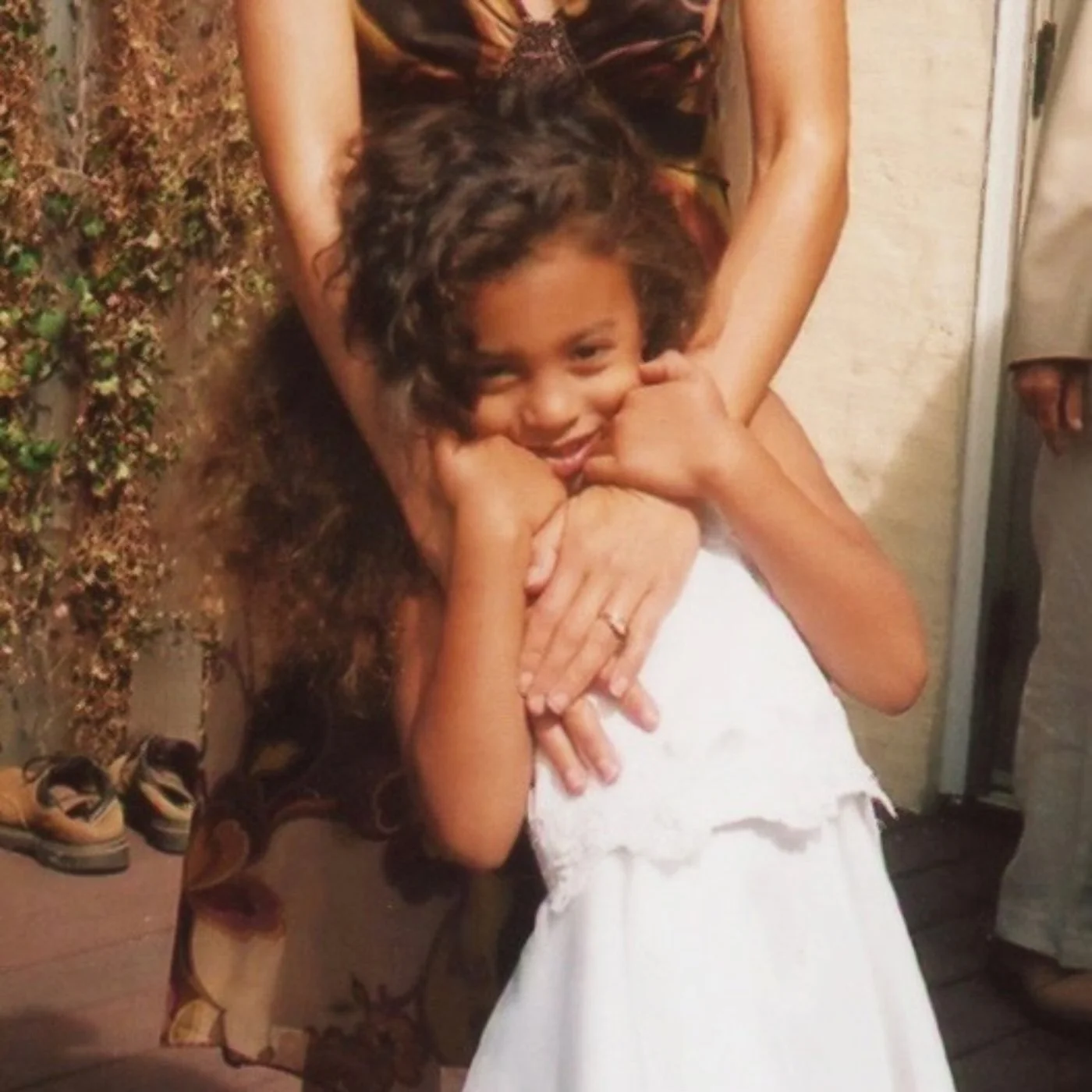
Cover art for Yellow House.
Is the album cover a photo of you as a kid?
It is, yeah.
Why did you decide to have that as the album art?
That one just felt right. I felt like I was finding all of the single art really easily, like I was messing around with so many different things, and once the photo surfaced it felt right. And the album cover, nothing was really feeling right, and I had a lot of pictures or even paintings that I had friends do to represent it and it just didn’t feel right.
I found that picture literally on accident, but I feel like it represents, to me, like, that was the age that I was when I was feeling a lot of these things or witnessing a lot of it and so just looking at a picture of myself at that age, it’s humbling to me. I also think there’s a lot of representation or symbolism in the picture. I’m being held by two arms and it was taken in the house I grew up in in the backyard, so I just thought that it represents the album really well.
When you say you found that picture accidentally, how did you find it?
I have a photo album and I’ve been moving so I found it and I just started flipping through it and that was one of the pictures. I scanned it and I have it on my computer now. But yeah, I was like, “Wait this is kind of spot on and perfect.”
Like divine timing?
Yeah, it felt that way. It kind of just showed up.
Shifting gears a bit, I would love to talk a little about “Seven,” particularly the shift in lyrics from “Don’t push me away / I am not them” to “You are not them.” What does this song mean to you?
It started as a letter to myself, also during that time when I was writing it. I started therapy and I started doing more research about inner child healing and that song was a letter that I wrote to myself, but like everything that I wanted to hear as a seven-year-old. I really wanted to imagine if my seven-year-old self was sitting in front of me and everything I would say, and so with that line, “Don’t push me away / I am not them,” I wanted to sew in so many different situations. I was basing it on, you know, we hold on to a lot of our childhood things, our childhood trauma — or not even just trauma — we hold on to those core understandings, and so mine was kind of saying, “I don’t want to be pushing myself away, I don’t want to be pushing other people away,” so it had a double meaning.
When you shift to “You are not them,” is that you talking to your past self or is it something else?
To me, it was talking to my past self, like, “You’re not the people that have hurt you, either,” and I think it’s talking more to the fear at that time that I had. I think I had a lot of my own fears around, like, “What if I don’t unwrap all this stuff?” and “What if I don’t full process it and understand it?” I think I had a very big fear at the time of turning into somebody that I don’t want to be. So yeah, it was really to myself, saying, “I’m not those people.”
Throughout the record, you can really hear the influences of distinct cities you have history in. You sing of your childhood in Oakland, there’s jazz influences reflecting New Orleans and a certain twang reflective of Nashville, where Yellow House was recorded. Was having these localities indirectly present intentional or did it just happen naturally?
I like your question. I feel like it was unintentional and intentional. In general — not even just this album — I’m drawn to so many different kinds of music and so I think when I’m writing, sometimes I try to draw from all of those worlds. But I think it’s interesting with this album because of how much time it took. Like, I started writing it in Oakland and then put it down and I lived in New Orleans for a while, so once I was playing those songs live with people, a lot of different sounds bled into the album, so it was intentional and unintentional. The full album was recorded in Nashville, so it definitely has that Americana sound overall. Colin Linden is the one who produced and engineered a lot of it — he’s an amazing slide guitarist and producer in general — but his studio is beautiful. It’s my dream. He has all these beautiful vintage old guitars and really cool mics, and recording there felt very raw and natural and it didn’t feel too overly polished or produced, so I guess that got the Nashville feel in the project.
Did you go into the process of making this record with a specific sound you wanted to capture in mind?
Yeah, I knew that I wanted it to feel — I just over and over kept using the word — organic and raw. I wanted to feel like I’m building a world. I referenced Mazzy Star a lot, I love her, and I referenced Cleo Soul a lot in terms of the energy. But yeah, I think my main thing is I just didn’t want the album to feel too polished and I wanted it to feel expressive.
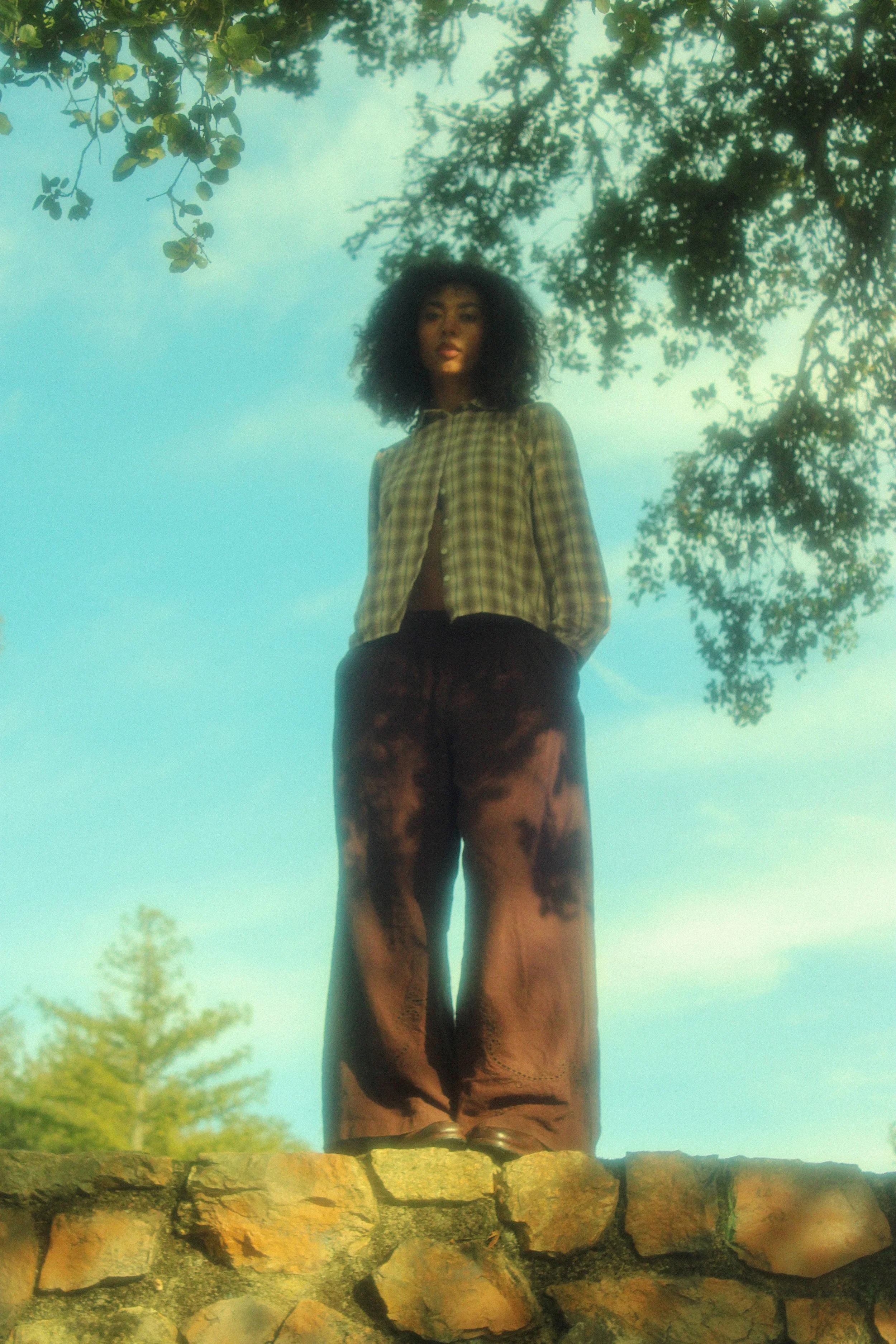
Satya. Photo via Big Hassle.
Lucinda Williams and Grateful also seem to be big inspirations for you, especially having covers of “Fruits of My Labor” and “Box of Rain” on the album. How did you come to the decision to include these covers on the track list?
I love “Fruits of My Labor,” and it felt like this whole album tells a story to me, even with the track order, like it follows those years. So, a few years ago I was still living in New Orleans and I went to a dive bar and I heard that song for the first time. I must have heard it before, but that was the first time I really heard it. I went home that night and I looked up the lyrics and it just sent me to tears. I felt like it connected to a lot that I was going through at the time and I listened to that continuously, like way too much honestly, but I really wanted to put it on the album. It’s a nostalgic feeling when I listen to it now and it ties in with the story of the project.
For “Box of Rain,” too, that was a song that my grandfather loved when I was growing up. I wanted to add that to the album because the whole album is really talking about my upbringing and my family and that song, to me, represents the beauty in a lot of growing up. The lyrics are very trippy and it definitely talks about — how I interpret it — looking at life through so many different lenses and angles and that it’s just a blessing to even be alive and we can leave at any moment. Putting that view towards the album and towards everything that I had been going through, I just wanted pay homage to it.
You mentioned the order of the track list having a story. What is that story or intention?
A lot of the songs are heavier, but I wanted to start with acknowledging a lot more of my anger, which was, in the beginning of 2020, my biggest feeling at that time. So I really wanted the story to start with acknowledging the anger and it then goes into growing into myself. I have “Seven” and “Heaven’s Cry,” and those are two that were more talking to myself, where the other ones in the beginning I was talking more outwards. It was getting out everything I wanted to say. It ends with “Cicadas” and that song I also wrote when I was living in New Orleans, and I wanted to pay homage to the people that really helped me down during that time.
After this album drops, what’s next for you?
I’ve been in the process of recording and writing a lot of new stuff, so that’s really been my main goal, to just write as much as possible. I just started with Giant, which is a record label. I’m really excited to get my band together and start playing all this stuff live and hopefully do tours soon.